
If you own or lease a newer Chevrolet, GMC, Cadillac, or Buick in California, you should pay attention. On August 21, 2026, federal regulators began an engineering analysis of about 1.16 million GM vehicles over reported brake-assist issues. News about investigations usually gets lumped together with talk of a GM brake recall. In 2026, the truth is more layered than just a single recall.
Several brake issues are unfolding at the same time. There’s the federal eBoost brake-assist investigation. There’s a lawsuit over brake master cylinders. There are recalls for some Silverado Medium Duty trucks. Here we’ll walk through which vehicles are involved, share what each process means, and explain how California Lemon Law might be your route if GM can’t reliably solve the problem.
Which GM Vehicles Does the 2026 Brake Issue Really Affect?
The 2026 GM brake problems affect several vehicle groups. It isn’t just one giant recall. Investigators are looking into electric vehicles and crossovers from 2023–2026. Certain 2025 trucks and crossovers are in a lawsuit over master-cylinder problems. 2019–2024 Silverado Medium Duty trucks have a formal recall. Different vehicles. Different issues. No overlap for every driver.
Is Your Vehicle in the eBoost Brake-Assist Investigation?
The eBoost investigation looks at these GM models from 2023 to 2026:
- Buick Enclave and Buick Envision
- Cadillac Lyriq and Cadillac Optiq
- Chevrolet Blazer and Chevrolet Blazer EV
- Chevrolet Colorado
- Chevrolet Equinox EV
- Chevrolet Traverse
- GMC Acadia and GMC Canyon
This includes the 2024–2026 Acura ZDX and Honda Prologue, which GM builds with Honda. So if you’re dealing with Cadillac Lyriq, Equinox EV, or Chevy Blazer EV problems, you may be in this group. Does that match your situation? Yes or no?
Are You Named in the Brake Master Cylinder Lawsuit?
The lawsuit covers these five 2025 GM models with similar brake designs:
- 2025 Chevrolet Traverse
- 2025 GMC Acadia
- 2025 Buick Enclave
- 2025 Chevrolet Colorado
- 2025 GMC Canyon
A small group, but if you drive one of these, you’re part of this issue.
Does the Silverado Medium Duty Recall Apply to You?
The Silverado recall only covers 2019–2024 Silverado 4500HD, 5500HD, and 6500HD trucks. These are the larger commercial trucks. If you have a Silverado 1500 pickup, you aren’t affected by this recall. Easy to check, right?
What’s Behind the eBoost Brake-Assist Investigation?
The eBoost investigation began after reports of brake-assist failures in about 1.16 million vehicles. This is still under investigation. It’s not a recall yet. There’s no guaranteed fix available yet.
On August 21, 2026, NHTSA opened Engineering Analysis EA26006. This expanded an earlier look into 2023 Cadillac Lyriq complaints. NHTSA lists the investigation population as about 1,164,820 vehicles. You can find the file yourself at NHTSA.gov.
How Does the eBoost Spindle Failure Happen?
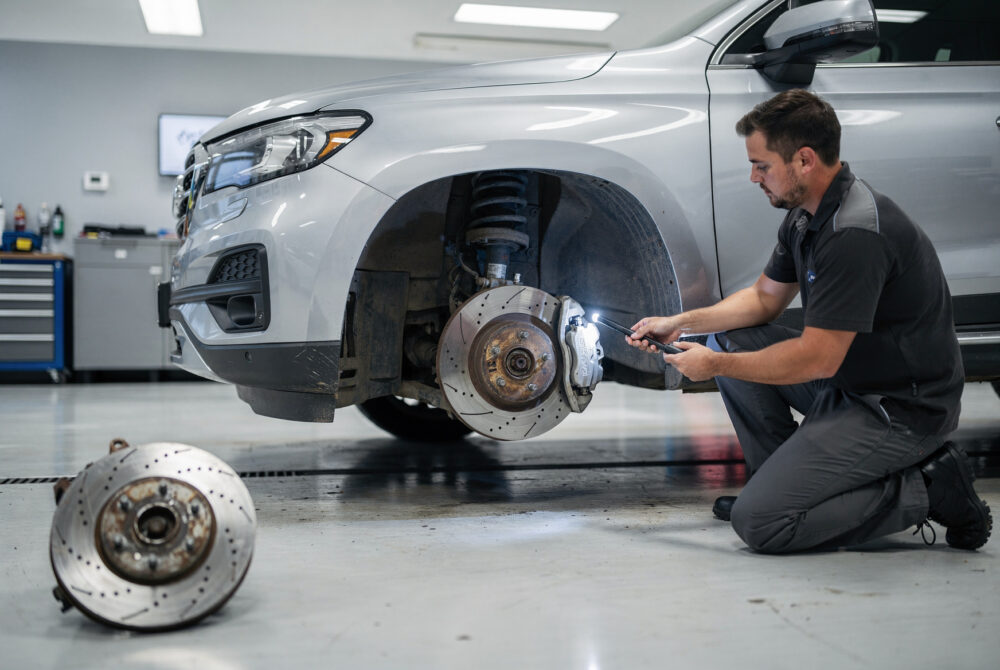
The story centers on fractures in the eBoost spindle. When this part cracks, GM says ABS, brake assist, stability, and traction control keep working until the vehicle stops. Then, all four systems drop out. The vehicle flashes audio and dash warnings. It limits the speed to 43 mph. Simple cause, visible signs, clear result.
Some people have reported a sudden loss of brake assist while braking. That can make stopping take longer and raises crash risk. We take this problem seriously.
What Have Drivers Shared?
NHTSA has counted 745 incidents. That includes 227 driver complaints and 531 events from GM records, after taking out duplicates. There were 21 crashes, 5 injury events, and 6 total injuries. No deaths reported here.
Is This a Recall?
No. Not yet. An investigation checks the risk, collects details, and may lead to a recall or no action at all. Until GM actually issues a recall for EA26006, there isn’t any free fix. Worth knowing, right?
What’s Claimed in the Brake Master Cylinder Lawsuit?
The GM brake master cylinder lawsuit claims some 2025 GM trucks and crossovers have internal seal failures. This can leave you with hard brakes, a sinking pedal, warning lights, or sudden loss of pressure. The claim is that the seal fails inside the master cylinder, letting pressure drop out of the blue.
What Symptoms Have Drivers Noticed?
According to the lawsuit, you might see:
- A stiff brake pedal
- A pedal that slowly drops to the floor
- The brake warning light
- The ABS warning light
- A dashboard “Service Brake System” message
What’s the Status of the Lawsuit?
Barron v. General Motors started in Pennsylvania in October 2025. A judge dismissed the original two-plaintiff version early in 2026 after GM replaced both master cylinders at no cost. The plaintiffs tried again, adding a third person and one more state by April 2026.
The plaintiffs are Eric Barron (Pennsylvania), Chelsey Thompson (New York), and Simon Moeller (Missouri). They say GM broke promises, hid information, and profited while drivers faced risk. Not sure if this affects you? Compare your facts.
Which Silverado Trucks Are Under Brake Recall?
This recall only covers the 2019–2024 Chevrolet Silverado 4500HD, 5500HD, and 6500HD trucks. These have a known brake-related electrical defect. The Silverado 1500 pickup isn’t part of this recall. That makes it clear who needs to pay attention.
What’s the 25V390 Fire Risk?
GM recalled about 62,468 Silverado Medium Duty trucks for this issue. A sensor can leak, fluid reaches the pressure switch, and an electrical short can overheat the brakes. Sometimes, fires have started even when a truck was parked. Dealers replace the sensor wire at no charge, and owners are told to park outside and away from buildings until fixed. Three steps. Track each one.
What’s the 891-Truck Recall?
In a follow-up, GM recalled another 891 trucks for a wire-harness issue. This could knock out backup brake assist. It’s not a whole new event but a re-repair for trucks already fixed under the first recall. Always double-check against the NHTSA site before you act.
How Are Investigation, Recall, and Class Action Different?
An investigation looks at possible safety risks. A recall brings a free fix if the risk is real. A class action is a lawsuit by a group trading time for possible compensation. Three paths. You want the right one.
Does an Investigation Solve the Problem?
No. It collects facts and reviews the risk. You may eventually get a recall, but don’t expect a fix right away. You need to keep watch for updates.
What Does a Recall Get You?
A recall covers repairs, replacements, or refunds for specific defects. Most recalls don’t make up for all the time, value, or trouble you lost. Is that enough for you?
Can a Class Action Fix Your Lemon?
Rarely. Class actions pay out across the group, and the process can drag on. Your own lemon law claim often brings faster, fuller results, especially in California. We see this pattern often.
Can California Lemon Law Help When Your GM Brakes Won’t Stay Fixed?
California Lemon Law lets you act if your GM vehicle has a warranty-covered brake problem that can’t be fixed after a fair shot. Song-Beverly Consumer Warranty Act is the rule. This may mean GM must buy back or replace your vehicle. This process differs from a class action and is often faster and better for the owner.
Why Are Brake Defects Taken Seriously?
Brakes control your ability to stop quickly and safely. A failure can hurt not just your peace of mind, but your safety and the safety of those around you. For key safety parts like brakes, the law asks less patience from drivers. That means fewer repair tries before you may have a claim. Does this sound like your experience?
What Could You Recover Under Lemon Law?
- A refund or a replacement car
- Your down payment, monthly payments, fees, and taxes
- Towing and rental costs
- Up to two times your damages if the rules were willfully broken
- Attorney fees and costs paid by the manufacturer
New and used cars both count if the problem started under warranty. Leases count. Electric vehicles count. Small business with no more than five vehicles may qualify. Many rideshare drivers qualify. Want to estimate your refund? Try our buyback calculator or visit our GM Lemon Law page.
Is Lemon Law Better Than a Class Action?
Lemon law focuses on your car, your repairs, your outcome. You don’t wait for a group deal, and you can get a quicker resolution. Under state law, GM pays your attorney’s fee in a winning case. We only take fees if you recover.
See If You Have a Case with a free, no-pressure review.
What to Do If Your GM Brakes Aren’t Right
If your GM brakes give you trouble, start keeping track. Write down every symptom. Save every repair visit note. Look up open recalls. Report safety problems. Talk to a California lemon law lawyer before your repair story gets harder to prove. Good records mean better protection. We advise all clients to do this.
What to Save
- All repair orders, even when the dealer finds no issue
- Your purchase, lease, and warranty documents
- Recall letters from GM
- Photos or videos of dash warnings (take them safely)
- All messages with your dealer or GM
- Key dates, mileage, problems, and days the car was unavailable
Take These Safety Steps
Don’t ignore a brake warning, a pedal that feels strange, or a sudden change in stopping distance. Bring the car in to a GM dealer while it’s under warranty. Use the same words for the same problem each time. If you feel unsafe, stop driving, call a tow or roadside service, and follow park-outside instructions if needed. Check NHTSA and GM for any recalls. Want to know your next move? Here’s how to start a lemon law claim. Or take our lemon quiz.
Your Questions Answered
Does Lemon Law work for a leased GM?
Yes. Leased vehicles qualify if they were leased in California and still had brake issues that couldn’t be fixed. Lease payments count toward the recovery.
Does Lemon Law work for GM electric vehicles?
Yes. EVs count as long as you meet warranty and repair-try rules. This covers Cadillac Lyriq, Equinox EV, and Blazer EV.
How many repair tries do I need before calling?
No fixed number. For brakes and other key safety parts, sometimes one or two visits can be enough. It’s always worth asking.
Should I wait for a recall before filing a lemon claim?
No. You don’t need a recall if you have a repeated brake problem under warranty with no real fix. A recall alone won’t pay for lost value.
Do I pay attorney fees for my lemon law case?
No. If your case qualifies, GM pays our fee. We only get paid if you recover something.
How to Get Straight Answers About Your GM Brake Problem
GM drivers right now face three things at once: a federal eBoost investigation, a master cylinder lawsuit, and Silverado brake recalls. Your best choice depends on your car, symptoms, coverage, and repair history. None of these blocks you from using California lemon law if you qualify.
We only handle California Lemon Law. We match each case with a lawyer who knows your make. We keep you updated. You never get rolled into a group settlement. No attorney fee if you don’t recover.
Want clear answers? Get Your Options Today. Call 877-536-6603 for a free review. Hundreds of California owners have worked with us and found help.
This article is advertising by attorneys. It shares general info and isn’t advice for your situation. Each case is unique. Details about recalls, investigations, or lawsuits are current as of 2026 but may change. Please check the latest information with NHTSA and courts.
 Email
Email
 Facebook
 Twitter
:%20Affected%20Models%20&%20Your%20Rights) Pinterest
Pinterest